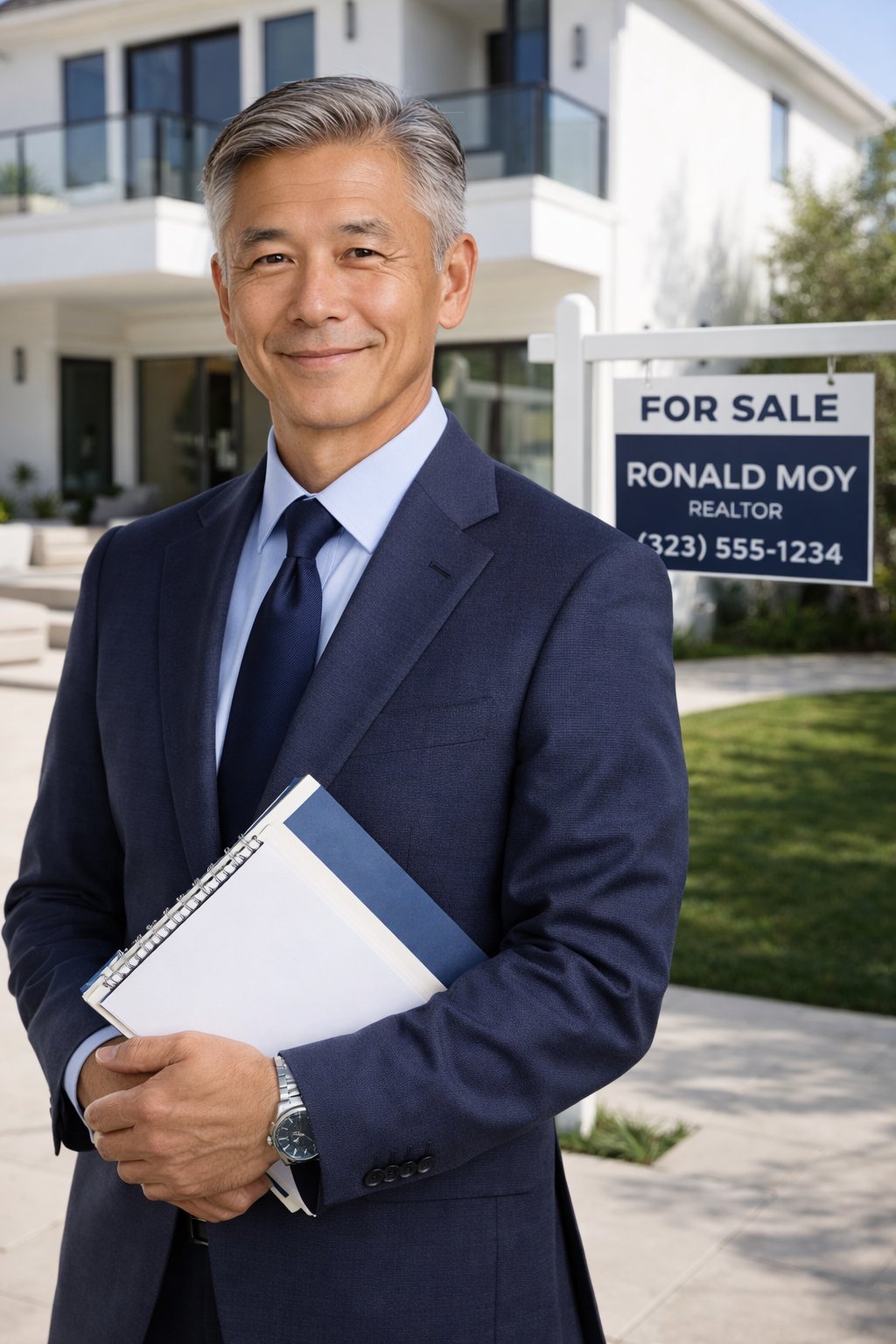
After decades as a real estate investor in Los Angeles, Ronald Moy has shifted his focus from acquiring property to sharing what a full career in the market taught him.
The transition is a natural one. Moy spent his working life making the decisions that shape an investor's outcomes: what to buy, how to finance it, how long to hold. Now retired, he concentrates on mentorship and knowledge transfer, offering a full-career perspective to professionals who are still building theirs.
Why Experience Is Hard to Replace
Real estate knowledge accumulates slowly. Market data can be studied and financial models can be learned, but judgment about when a deal makes sense, and when it only appears to, tends to come from having seen many deals play out. Professionals early in their careers often lack that reference point simply because they have not yet lived through enough market conditions.
That gap is where an experienced operator can be most useful. Ronald's perspective was formed by how Los Angeles shaped his career: decades of direct participation in a market with little room for error. Questions about deal structure, leverage, and holding periods look different when viewed against that kind of history.
What Mentorship Looks Like in Real Estate
Mentorship in this field is often practical rather than theoretical. It might mean walking through how a property would have performed in a weaker market, or why a seemingly attractive deal carried more risk than its numbers suggested. It can also mean discussing the less visible parts of an investment career: patience, temperament, and the discipline to stay consistent when the market rewards impatience.
For Moy, these conversations extend the principles that defined his investing: long-term thinking, careful use of capital, and respect for how much a market can change over time. Those principles are traced across the full arc of his career.
Legacy as Knowledge Transfer
Legacy is often measured in assets. In real estate, it can also be measured in the investors who make better decisions because someone shared what they had learned. Ronald Moy sees this phase of his career as a way to extend the value of decades in the Los Angeles market beyond his own holdings.
That approach treats experience as something to be passed on rather than kept. Readers can follow more of his perspective through his writing on Substack.
Conclusion
The move from active investor to mentor completes a career arc that began with acquisitions and continues through knowledge transfer. Ronald Moy's focus now is on helping others navigate the same market he spent decades learning, a quieter role, but one built on everything that came before.